ServicesWhole-Home Rewiring
Whole-Home Rewiring in Westworth Village
Aging wiring seldom quits in one moment. Behind the drywall it heats, turns brittle and works loose until a breaker stops holding or an outlet shows scorch marks. We put in new grounded circuits, move through the house in a planned order and clean each room before we leave for the day.
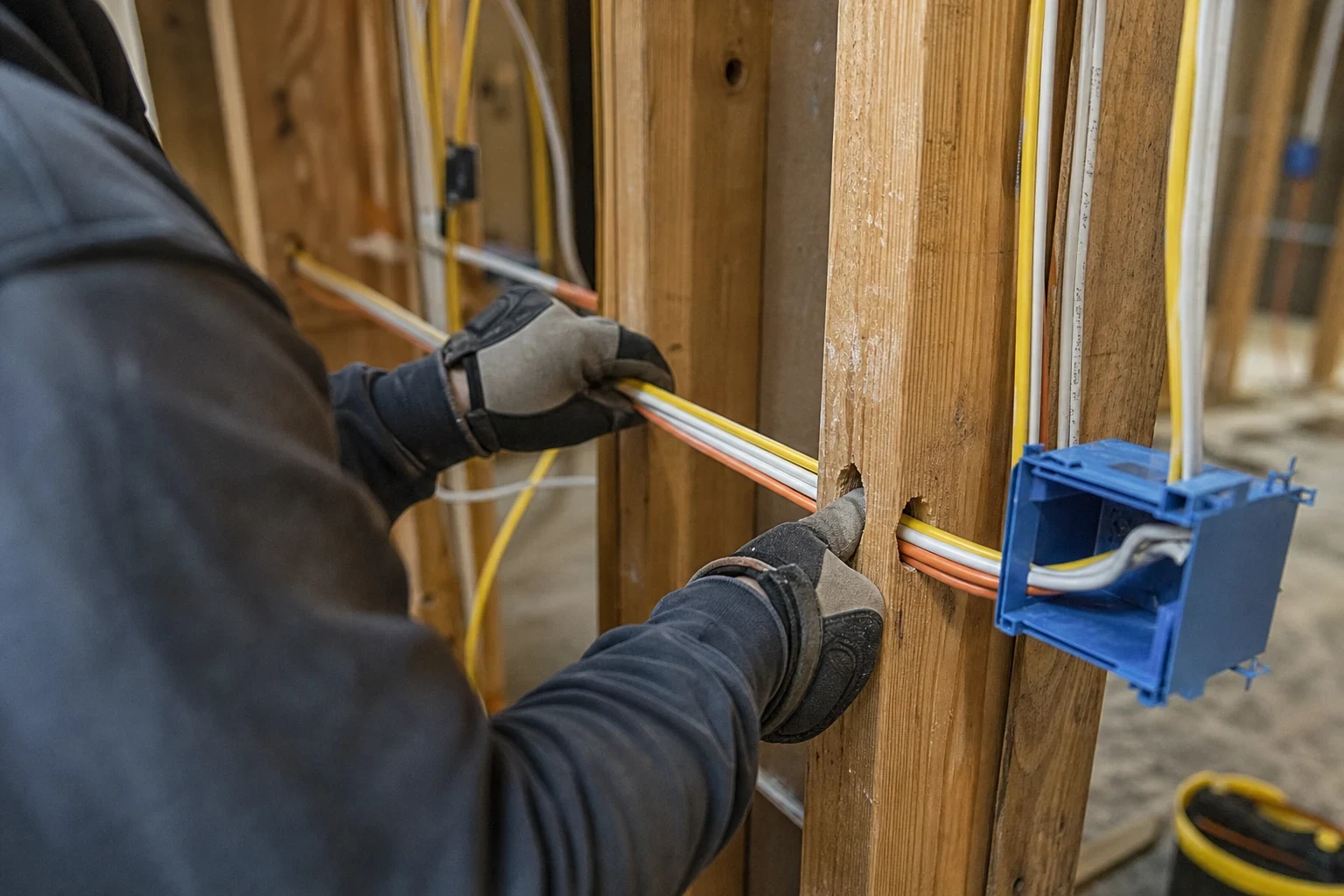
When Rewiring Is the Right Call
A rewire replaces the branch circuits that run from your panel to every outlet, switch and light. It makes sense when the wiring itself is the problem: cloth-insulated cable gone brittle, knob-and-tube still in service, aluminum branch circuits with loosening connections, or a home where almost nothing is grounded. Patching one spot at a time in that situation only moves the risk somewhere else.
We start by opening a sample of boxes and looking at the actual conductors, not guessing from the age of the house. If a few circuits are sound and the rest are not, we will tell you that plainly and price a partial rewire. If the whole system needs to go, you will see why in the photos we take.
What a Rewire Includes
- New copper branch circuits
- Each circuit is replaced with new grounded cable sized for its load. Kitchens, bathrooms and laundry get their own dedicated circuits where code calls for them.
- New boxes and devices
- Worn or undersized boxes come out, along with the old outlets and switches. You get new tamper-resistant receptacles and switches in the finish you choose.
- Modern shock and fire protection
- We add GFCI protection in wet areas and AFCI protection where the code requires it. These devices trip on the faults that old wiring tends to hide.
- Careful access and closing up
- We fish cable through attics, crawlspaces and existing cavities to keep openings small. Each access hole is patched neatly and left ready for paint.
- Permit and inspections
- We pull the permit and book the rough-in and final inspections with whichever office oversees your address. The finished work then has an official record behind it when you sell or insure the home.
When Your Wiring May Be Due for Replacement
Outlets with only two slots
Without a ground, many appliances and surge protectors cannot do their job properly. A cheater plug covers up the issue instead of fixing it.
Heat at a plate or a burning odor
A warm switch or outlet usually means a loosening connection or breaking insulation. Leave it unused and get it looked at soon.
Wire wrapped in cloth or rubber
Fabric-covered wire in a box or the attic can have insulation that flakes apart at a touch. North Texas summer heat in the attic makes it break down faster.
Lights flickering in more than one room
A single fixture that flickers is usually the bulb or the fixture itself. Dimming spread across several rooms tends to lead back to worn circuits or connections.
Trips during everyday use
Wiring put in decades ago was never laid out for modern kitchens, home offices and window units. Frequent trips are the panel's way of saying the circuits are overloaded.
How the Work Runs
- 1
Walkthrough and testing
We test circuits, open sample boxes, check the attic and panel, and photograph what we find. You hear our findings before any scope is written.
- 2
Written scope and schedule
You get a written scope that lists each room and circuit, plus a sequence that keeps part of the house powered while we work. We then pull the permit.
- 3
Protect, then rewire in sections
Floors and furniture are covered before we open a wall. We shut off only the section we are working on, and we restore power to finished areas before we leave each day.
- 4
Inspection, patching and final test
Once the rough-in passes inspection, we install devices, close up openings and test every circuit. We walk you through the panel labels before the final inspection.
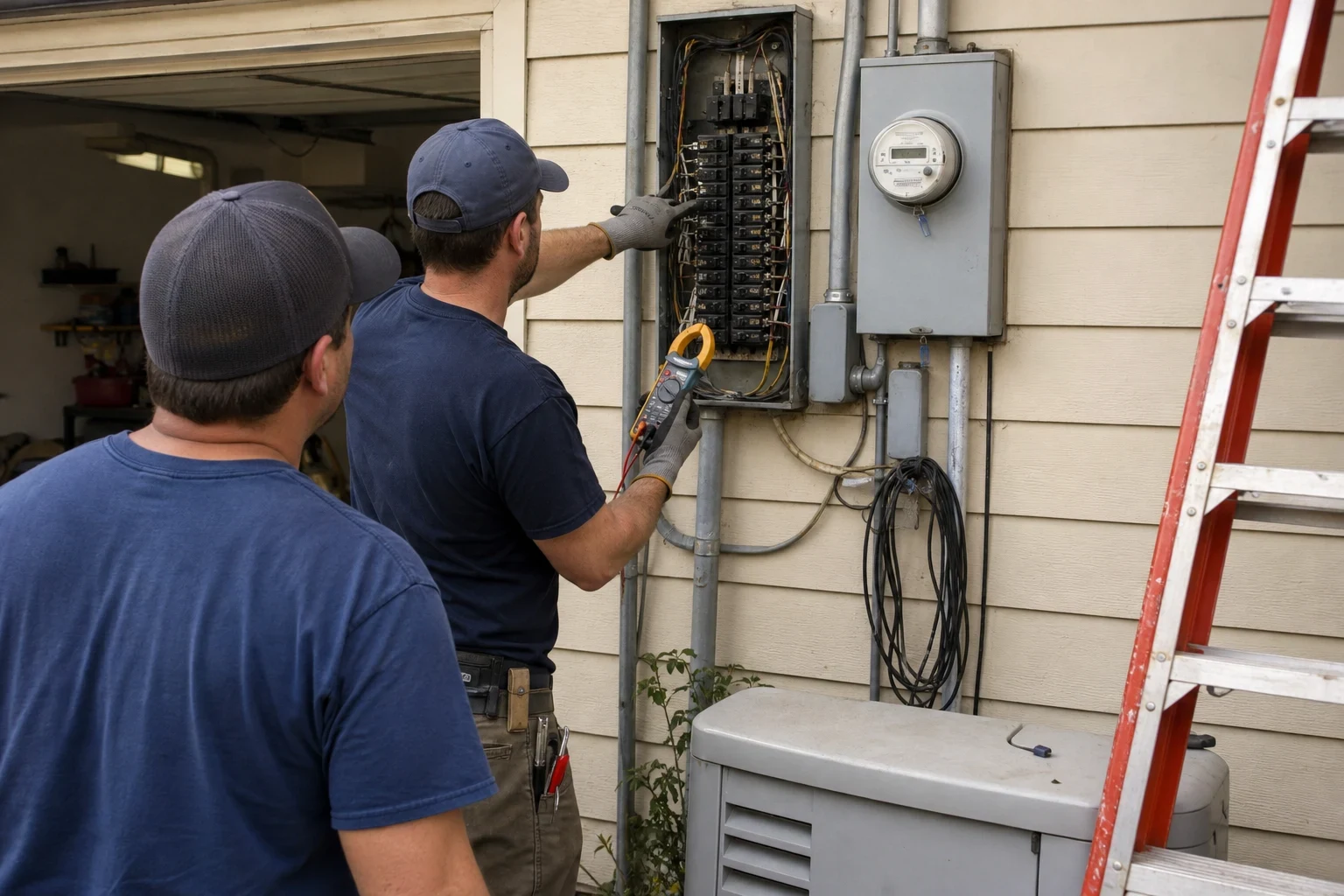
What Sets the Price of a Rewire
We price each rewire from what we see on the walkthrough rather than a per-square-foot estimate. How much wiring comes out and how hard it is to reach matter most. The scope is itemized so you can tell what each part costs.
- Home size and number of circuits
- Additional rooms, outlets and dedicated circuits add cable and hours of labor.
- Reaching inside the walls
- Cable fishes easily from an open attic. Plaster walls, finished ceilings and slab foundations slow the work and call for more careful patching.
- State of the panel
- When the current panel has no room or capacity for the new circuits, the job may include a panel upgrade. If so, you hear about it at the start.
- Devices and finish choices
- Basic outlets are less expensive than USB receptacles, designer switches or added fixture boxes for lighting later on.
Rewiring Questions
Something not covered here? (682) 895-6863
Can we stay in the house during a rewire?
Most families do. We work one section at a time and bring power back to finished rooms each evening. The refrigerator and at least one bathroom stay on as much as we can manage, and we plan that with you before we start.
How long does a whole-home rewire take?
Square footage and wall access set the pace more than anything else. A smaller home with an open attic moves along faster than a larger one with finished ceilings or plaster. Inspection dates add some time too, so we write a realistic timeline into your scope before work begins.
Will my walls be torn open?
No. We fish new cable through existing cavities, the attic and any crawlspace, so most openings are small and placed near outlets, switches or along ceiling lines. We patch them neatly so they are ready for paint.
Do you pull the permit?
Yes. The permit is ours to pull, and we meet the inspector for the rough-in and final visits your area calls for. That record matters when you sell the home or talk with your insurer.
Can you rewire only part of the house?
Often, yes. If testing shows some circuits are sound, we can replace only the ones that are not and leave the rest. If you are also planning a kitchen or an addition, our Remodel & Addition Wiring work can be scheduled alongside it.
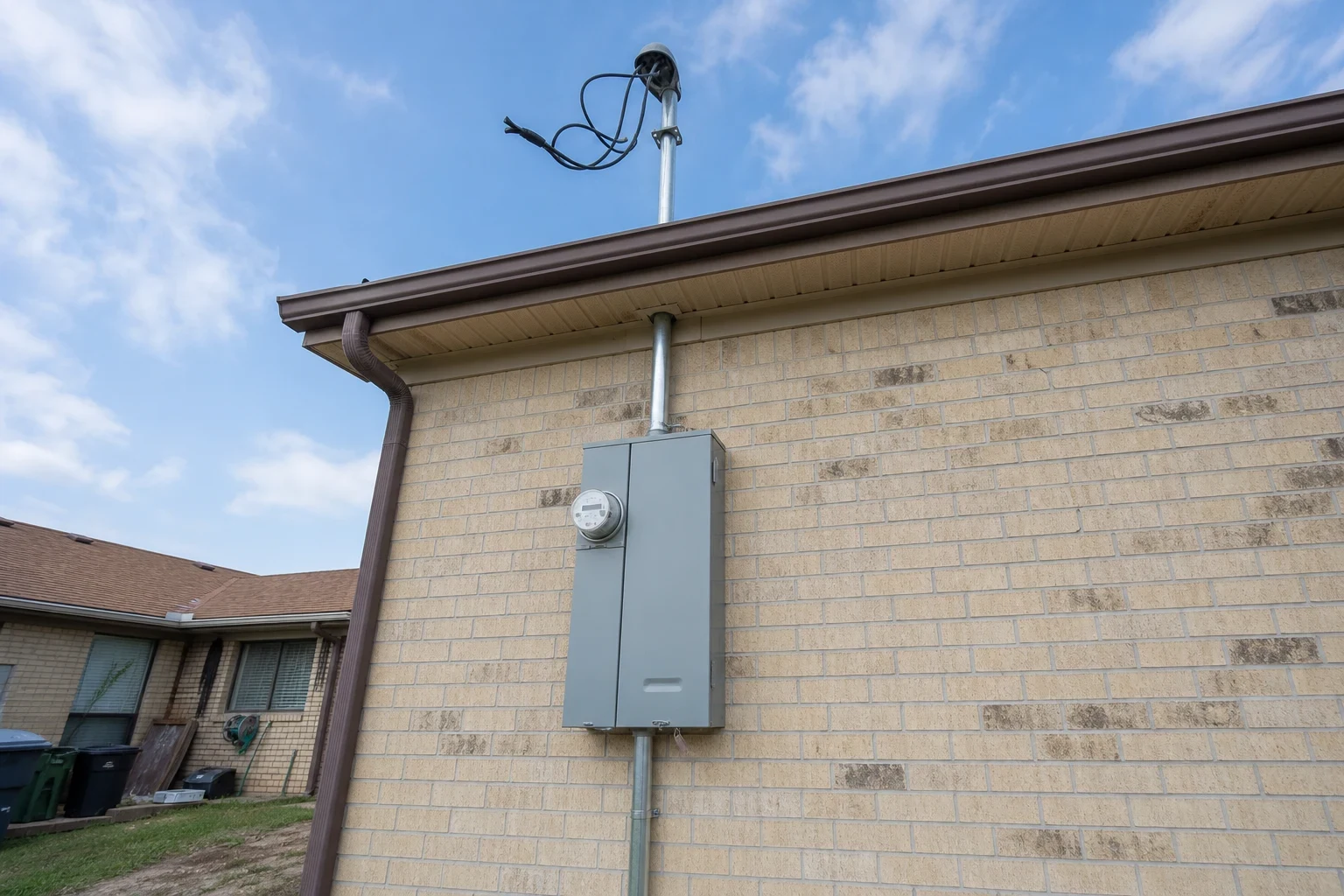
Start With a Look Behind the Walls
We will test your circuits, show you photos of what we find and explain what needs replacing and what can stay. From there, you decide how to proceed.