ServicesGenerator Installation
Generator Installation in Westworth Village
We install standby generators and portable generator connections that start safely, power what matters and never send current back onto utility lines. Every job begins with a load review and a careful look at placement, so the unit sits where exhaust stays away from your home.
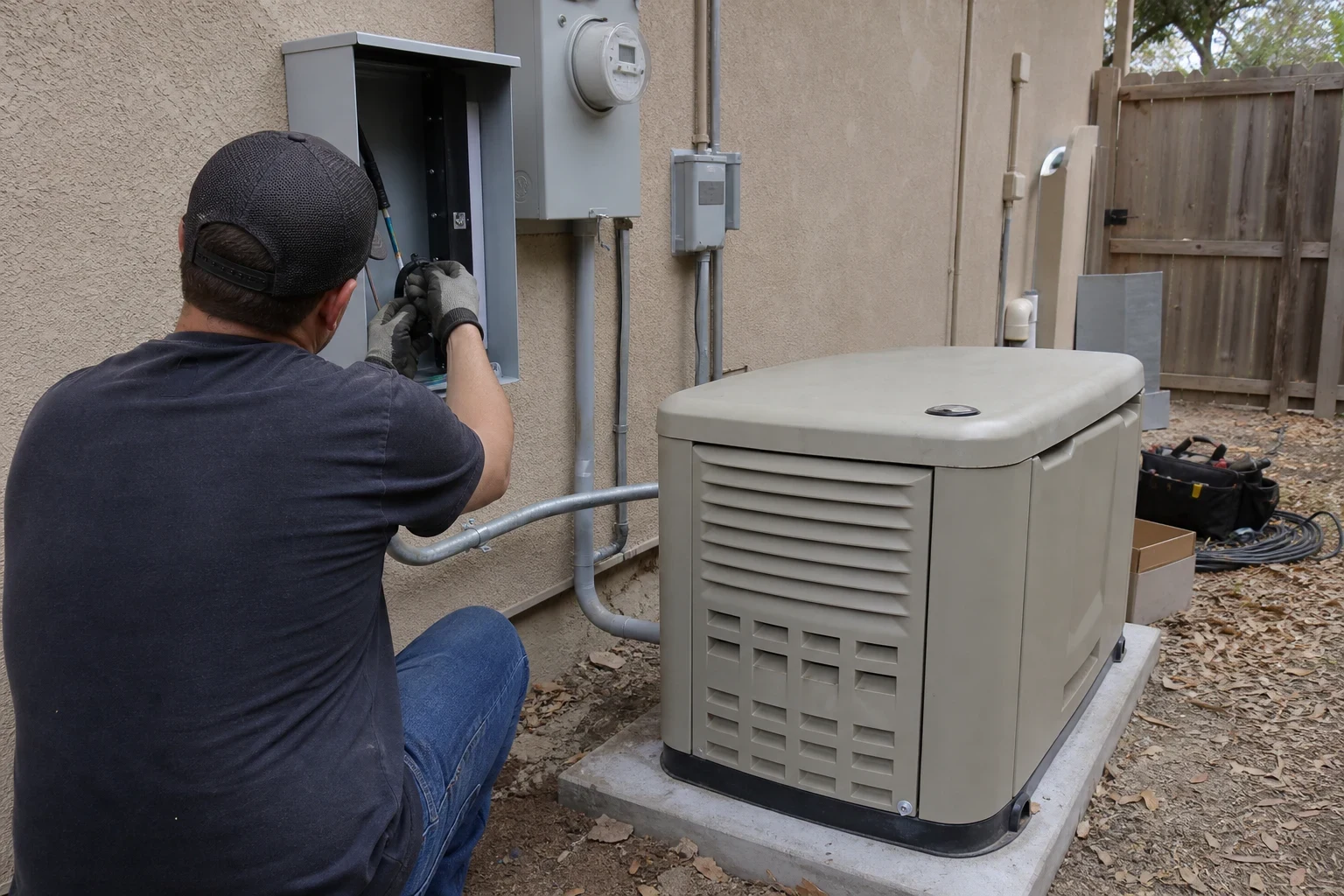
Backup Power That Is Wired the Right Way
A generator is only as safe as the way it connects to your home. The most common danger we see is improvised hookups: extension cords run through windows, or a portable unit plugged into a dryer outlet. That setup can backfeed the utility line, put a line worker at risk and damage the generator when grid power returns.
We do generator installation with a transfer switch or a listed interlock every time, so your home draws from one source at a time. For standby units, we size the generator to the loads you actually want to run, set it on a proper pad and handle the electrical connection from the unit to your panel.
When spring storms or a hard winter freeze knock out power across the area, a properly installed system lets you keep the refrigerator cold, the furnace or a window unit running and the lights on without stepping outside to fuel and start anything.
What Our Generator Installation Covers
Load calculation
We list the circuits you want during an outage and calculate the starting and running demand. That tells us whether a smaller unit with selected circuits or a larger whole-home unit makes sense.
Transfer switch installation
An automatic transfer switch senses an outage, starts a standby generator and switches your home over in seconds. For portable generators, we install a manual transfer switch or a panel interlock with an outdoor inlet box.
Placement and base
A generator needs open air around it. We pick a spot that keeps the required distance from windows, doors, vents and exterior walls, then give the unit a firm, flat base to sit on. Exhaust stays out of the rooms you live in, and a technician can reach every side for service later.
Electrical connection
We run properly sized conductors in conduit from the generator to the transfer switch and panel, with correct grounding and bonding. Outdoor fittings are rated for weather and UV exposure.
Fuel coordination
Natural gas and propane units need a correctly sized fuel line. We confirm the requirements early and coordinate the fuel connection so the electrical and gas work finish on the same schedule.
Startup and testing
We commission the unit, simulate an outage and confirm the switch transfers and returns cleanly. Then we set the weekly exercise cycle and show you how to read the controller.
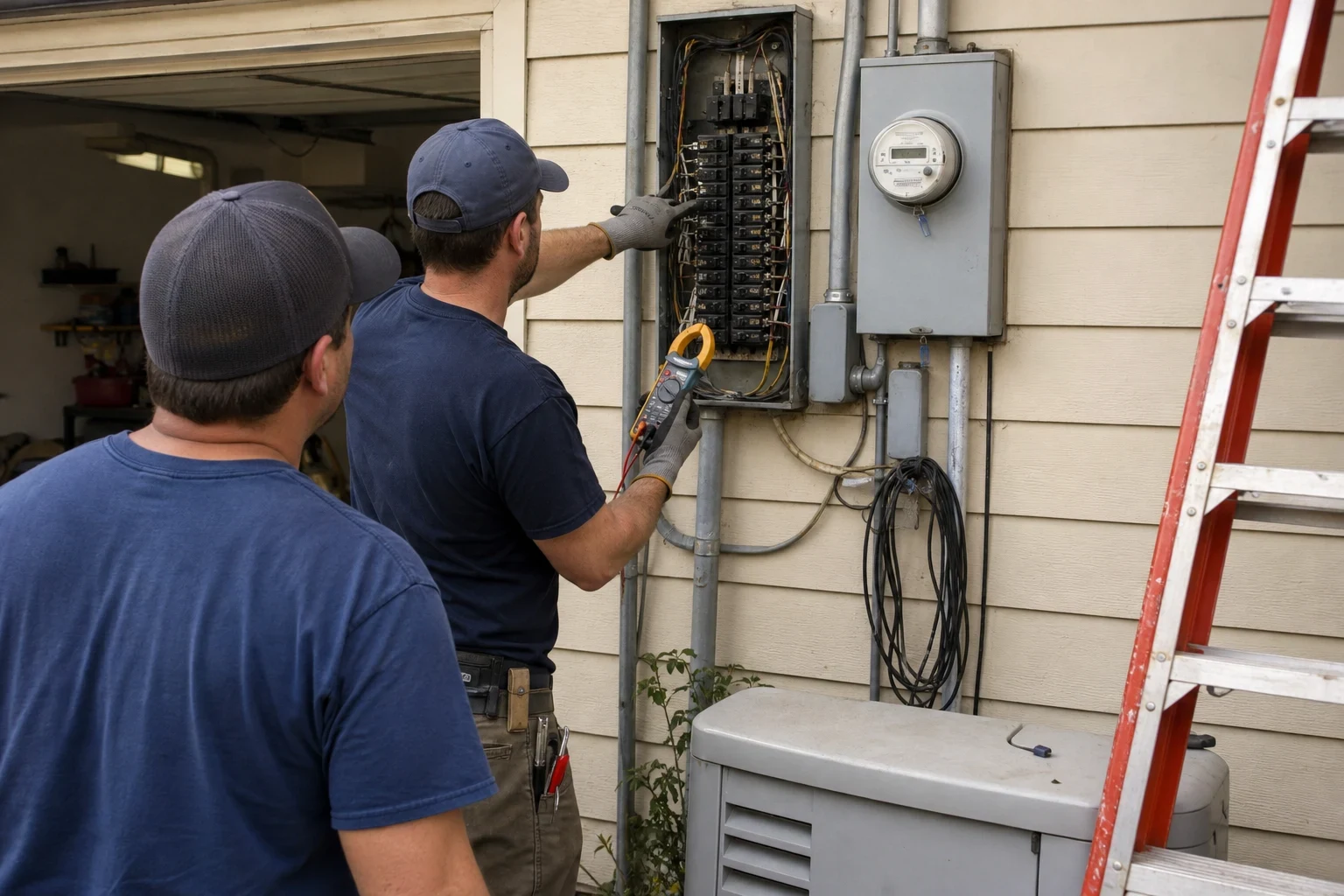
Signs It Is Time to Add a Generator
- Outages are lasting longer
- If a few hours without power has turned into a day or more, food loss and indoor temperatures become real concerns.
- Someone relies on powered equipment
- Oxygen concentrators, CPAP machines and refrigerated medications all need steady power. A standby unit removes the gap between an outage and a manual startup.
- You own a portable unit with no safe hookup
- Cords through a cracked door or a backfeed plug are a shock and fire hazard. An inlet and interlock let you use the generator you already have, safely.
- You work from home
- A dropped connection during a long outage can cost a workday. A small standby system can keep your office circuits and internet equipment running.
- Your sump or well pump matters
- If water management depends on a pump, losing power during a heavy rain can turn into a much larger problem.
From First Visit to Working Backup Power
- 1
Review the yard and what you want powered
We open your panel, find a suitable spot outside for the unit and talk through the circuits you want running in an outage. Then you get a written scope that spells out the unit size, the switch type and the work involved.
- 2
Paperwork and preparation
Permits and inspections are filed and booked the way the local jurisdiction asks. Fuel and utility details are settled before we order any equipment.
- 3
Installation day
The pad and unit go in, the transfer switch is mounted and the panel connection is made. The house loses power only during that panel tie-in, and we tell you in advance when it is coming.
- 4
Inspection and startup
After the inspector signs off, we start the generator, run a full transfer to backup and back to utility, and teach you the controls. We haul away boxes and conduit offcuts and tidy the soil around the pad before leaving.
What Drives the Price of a Generator Project
Prices for generator work swing more than for most electrical jobs, since the unit, the fuel and the yard differ from house to house. We quote once we have seen your panel and the spot it will go, and the written estimate breaks the job into parts so the cost of each is clear.
- Type and size of unit
- Connecting a portable unit through an interlock is a lighter job than a standby unit with an automatic transfer switch. A standby unit sized for the whole house costs more than one covering chosen circuits.
- How far the unit sits from the panel and fuel
- Every extra foot adds conduit, wire and fuel line. A spot that meets clearance rules and stays near the panel keeps that cost lower.
- State of your panel
- A full or aging panel may need work before a transfer switch can go in. When that is the case, we tell you directly, list it as its own item, and can plan a panel upgrade at the same time.
- Fuel supply
- Whether the existing gas meter can feed the generator, or a propane tank has to be added, changes both the price and the timeline.
- Permit and site work
- Permit fees, getting the pad ready and any trenching beneath patios or walkways all count toward the total.
Generator Questions We Hear Before an Install
- How big a generator should I get?
- That comes down to what you need running when the power is out. An electric range and central air draw much more than a furnace fan, a few lights and the refrigerator. At the visit we run a load calculation and suggest a size that handles your list without paying for capacity that would sit idle.
- Is there a safe way to hook my portable generator to the house?
- Yes. We install an outdoor inlet along with a transfer switch or a listed interlock. One cord runs from the generator to the inlet, and the panel is blocked from pushing power out to the utility line. Plugging a double-male cord into a wall outlet is never safe.
- How close to the house can the generator go?
- Manufacturers list minimum clearances from doors, windows, vents and walls so exhaust does not drift indoors, and local rules may add distances from the property line. We choose a location that satisfies both and still gives a technician room to work on the unit.
- Who handles the permit?
- We handle it. We file for the permit and book the inspection the way the local jurisdiction requires, and we are there or reachable by phone on inspection day. There is nothing for you to set up.
- How do I keep a standby generator in shape?
- The unit tests itself briefly on a regular schedule, and it needs oil, filter and battery service from time to time. Once it is installed, our Generator Service & Repair page explains that ongoing care.
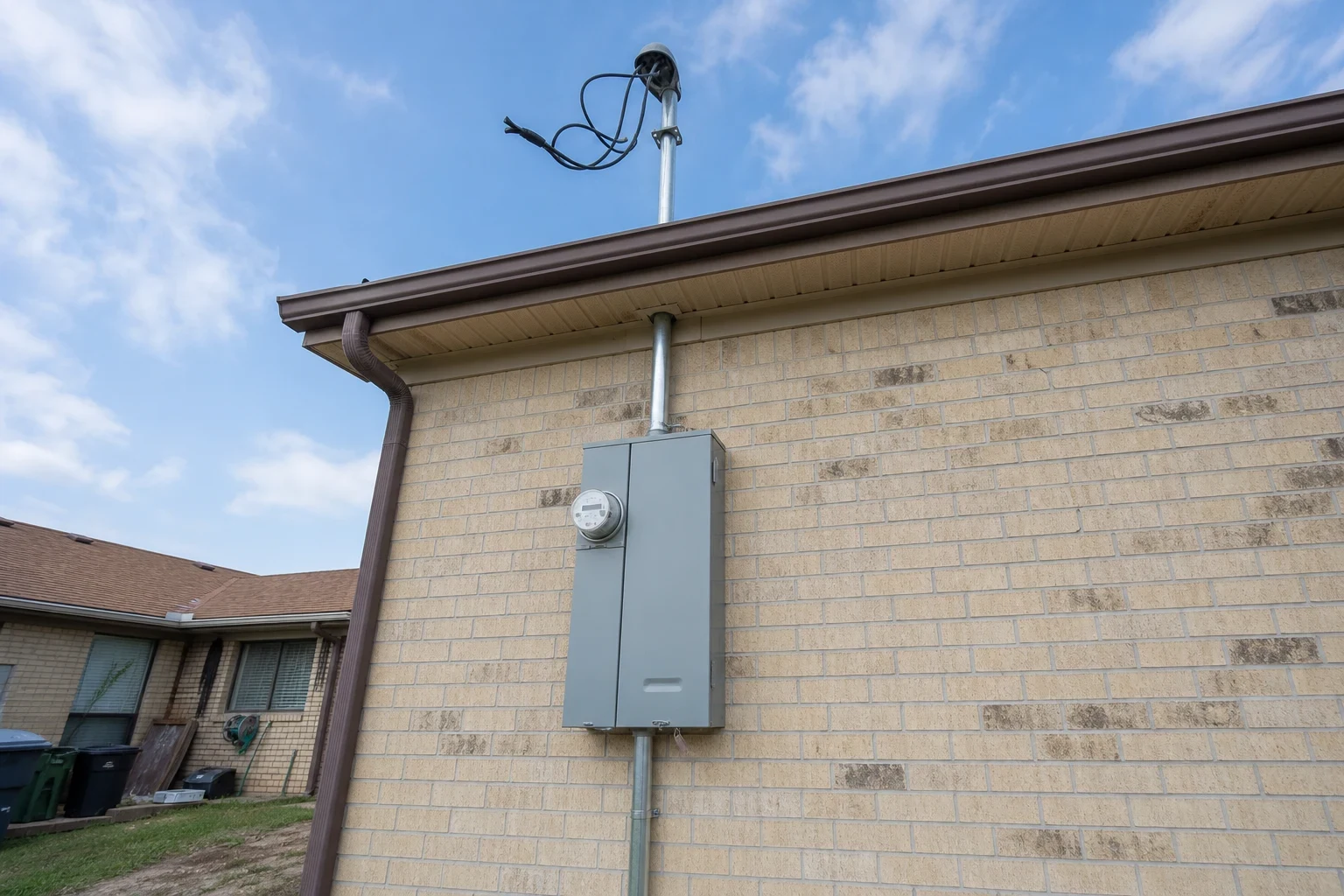
Plan Your Backup Power Before the Next Outage
We will review your loads, look at placement and explain your options in a written scope. Book a visit and we will take it from there.