ServicesHome Battery Backup
Home Battery Backup Systems in Westworth Village
We install home battery backup systems that keep your essential circuits running when the grid drops out. Every job starts with a load review and a close look at your panel. It ends with a tested switchover, so the system behaves the way you expect on the night it matters.
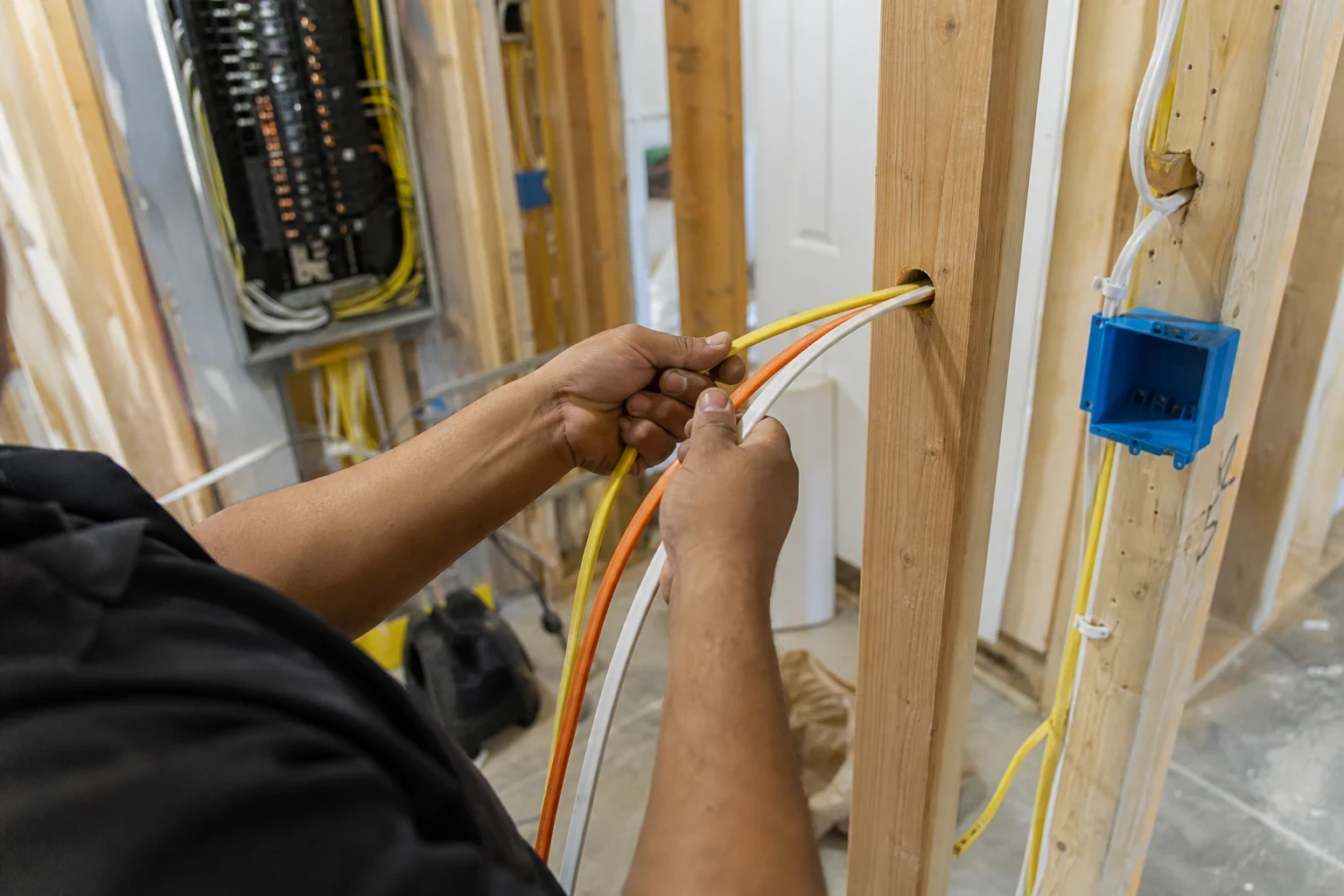
What a Battery Backup Does for Your Home
A home battery stores electricity and hands it back the moment utility power fails. The switch happens automatically, usually fast enough that clocks and routers never notice. There is no fuel to store, no exhaust and no engine noise, so the system can sit quietly on a garage wall or an exterior wall for years.
A battery bank also holds a large amount of energy in a small box. How it is mounted, how it connects to your panel and how it is isolated from the utility line all decide whether it is safe to live with. We treat those details as the core of the job, not an afterthought.
If you need to run central air or the whole house for days at a time, a standby unit from our Generator Installation service may suit you better. We will tell you plainly which fits your home and your priorities.
What Our Battery Backup Installation Includes
- Load review and panel check
- We list what you want powered during an outage and measure what those circuits actually draw. We also open your panel to check its capacity, condition and available space before recommending anything.
- Essential-circuit or whole-home setup
- Most homes do well with a dedicated backup panel feeding the refrigerator, lights, internet, a few outlets and the furnace fan. Larger systems can cover more. We help you choose which circuits belong on battery power and label them clearly.
- Careful placement and mounting
- Batteries perform best and last longer out of direct sun and extreme heat, which matters through a long Texas summer. We mount the unit level and secure, keep required clearances, and route conduit neatly so the finished work looks considered.
- Transfer equipment and disconnects
- The system must never send power back onto the utility line while crews are working on it. We install the transfer and isolation equipment that prevents backfeed, plus clearly marked disconnects so you or a firefighter can shut it down quickly.
- Permits and inspection
- We pull the permits and schedule the inspections required by your local jurisdiction, and we coordinate with the utility where that step applies.
- Commissioning and walkthrough
- Before we leave, we cut utility power on purpose and watch the system carry your home. Then we show you the app or display, what the indicators mean and how to shut it off safely.
When a Home Battery Is Worth Considering
Outages that cost you something
A missed day of work, a chilly house or a fridge of spoiled food adds up quickly. If even a brief outage sends you scrambling, stored power fills that gap.
A household member depends on power
A home office, medical equipment and medication kept cold all need power that stays on. A battery takes over the load with no engine for anyone to start.
You would rather skip fuel and engine noise
Some people do not want gasoline in the garage, an engine running near a window or engine service on the calendar. A battery removes all three.
Cords running from a portable generator
Cords pulled through doors and windows can trip people and start fires, and a generator hooked up the wrong way can backfeed the utility line. A correctly installed battery system takes the place of that arrangement safely.
Repeated flickers and short dropouts
When storms or grid trouble keep resetting clocks and electronics, a battery can carry the house through those short gaps so they hardly register.
How a Battery Backup Installation Runs
- 1
Service visit and load review
We walk your home, check the panel and service, and talk through what you want running during an outage. We also look at where the battery can live safely.
- 2
Written plan and permits
You get a clear scope showing the system size, the circuits covered and any panel work needed. Once you approve it, we file for permits.
- 3
Installation day
We shut power off in a planned way, protect floors and walls along our path, and mount the battery and transfer equipment. Most of your home's power returns the same day, and we tidy as we go.
- 4
Inspection and live test
After the inspector signs off, we run a real outage test with you watching. You see exactly which circuits stay on and how long the battery is likely to carry them.
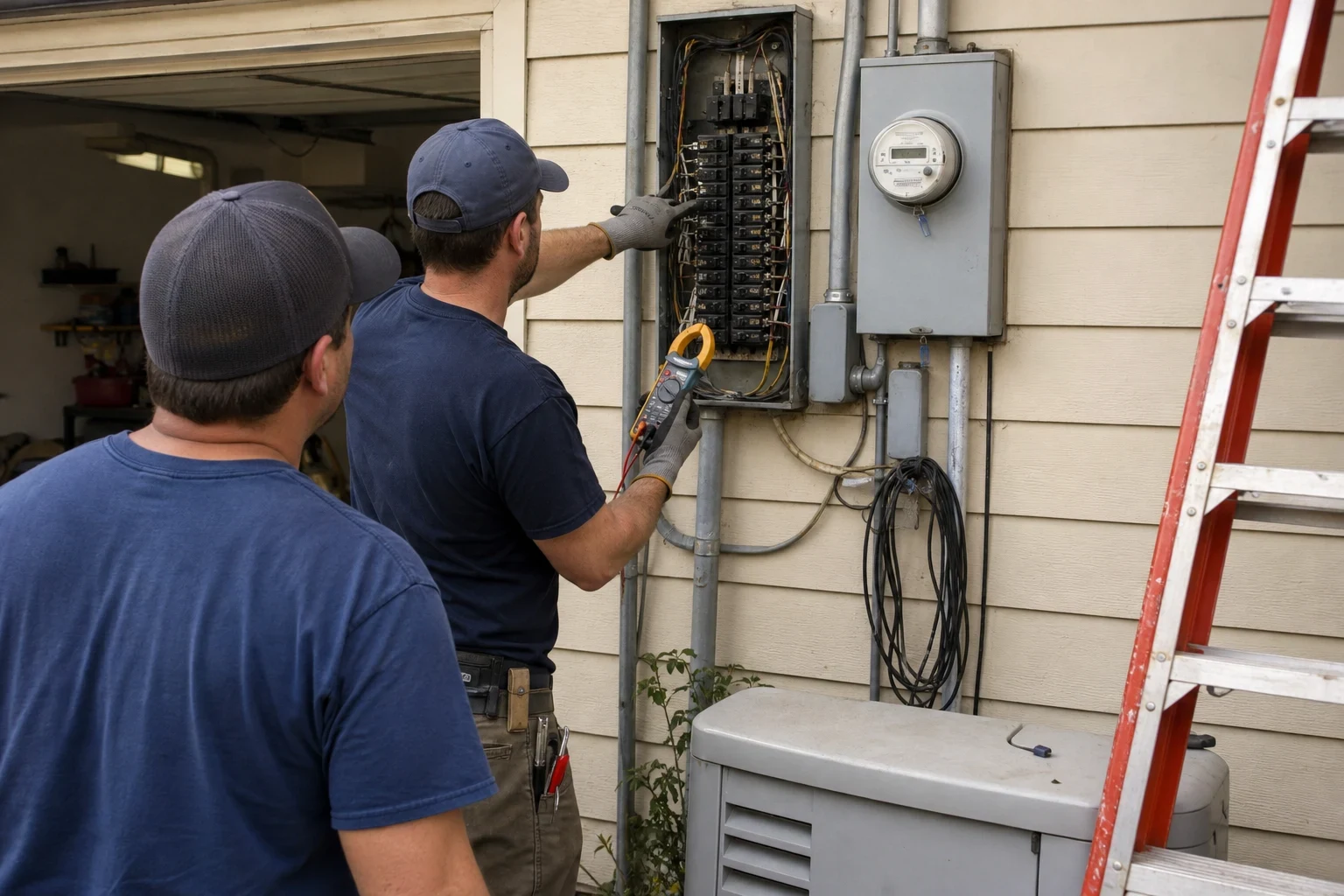
What Shapes the Cost of a Battery Backup System
Battery backup pricing depends far more on your home and your goals than on the box itself. We give you a written scope after the service visit so you can see each part of the job before anything is installed. Here is what moves the number.
- Storage capacity
- More stored energy means more hours of backup or more circuits covered. Adding battery modules raises equipment cost, so we size to your real loads rather than the biggest option.
- Essential circuits or whole home
- Backing up a handful of circuits through a dedicated panel is simpler than covering the whole house. Large loads like central air or an electric range call for more capacity and heavier equipment.
- Your panel's condition
- An older or full panel may need replacing or reworking before a battery can connect safely. If so, we will explain why and price that work separately, as part of our Panel Upgrades service.
- Placement and wire runs
- A battery mounted next to the panel needs less conduit and labor than one placed across the garage or on a far exterior wall. Walls that are hard to reach or finish also add time.
- Permits and utility steps
- Permit and inspection requirements vary by jurisdiction, and some setups require utility coordination. We include these steps in your scope so they are not a surprise later.
Common Questions About Home Batteries
Something not covered here? (682) 895-6863
How many hours will a battery power my home?
That depends on the size of the battery and what is drawing from it. A modest system can keep the fridge, lights and internet going for many hours, and longer if heavy loads stay off. Central air uses up a battery fast. At the service visit we estimate runtime from your real circuits.
Is a battery or a generator the better choice?
A battery runs silently, uses no fuel and takes over almost immediately, but its stored energy is limited. A standby generator handles bigger loads and keeps going as long as fuel is supplied. Some homes use both. We lay out each option plainly so you can pick the one that suits you.
Is the garage a good place for the battery?
In many homes, yes. A garage works when the unit has the right clearances, is shielded from being hit by a car and stays at reasonable temperatures. We look at the space and follow local code and the manufacturer's rules before suggesting where it goes.
Does my panel have to be upgraded first?
Not in every case. Plenty of panels take a battery with small changes. If yours is too small, too full or worn, we show you what we saw and why it should be addressed before stored power is connected.
Will you take care of permits and inspections?
Yes. We obtain the permits your local jurisdiction requires, book the inspection and are there to meet the inspector. When your setup needs utility coordination, we handle that as well.
How much maintenance does a home battery need?
Far less than a generator. Keep the space around it open, check the display or app for alerts and tell us if something seems wrong. A periodic system check, paired with our Torque & Cleans service on your panel, helps keep the connections tight.
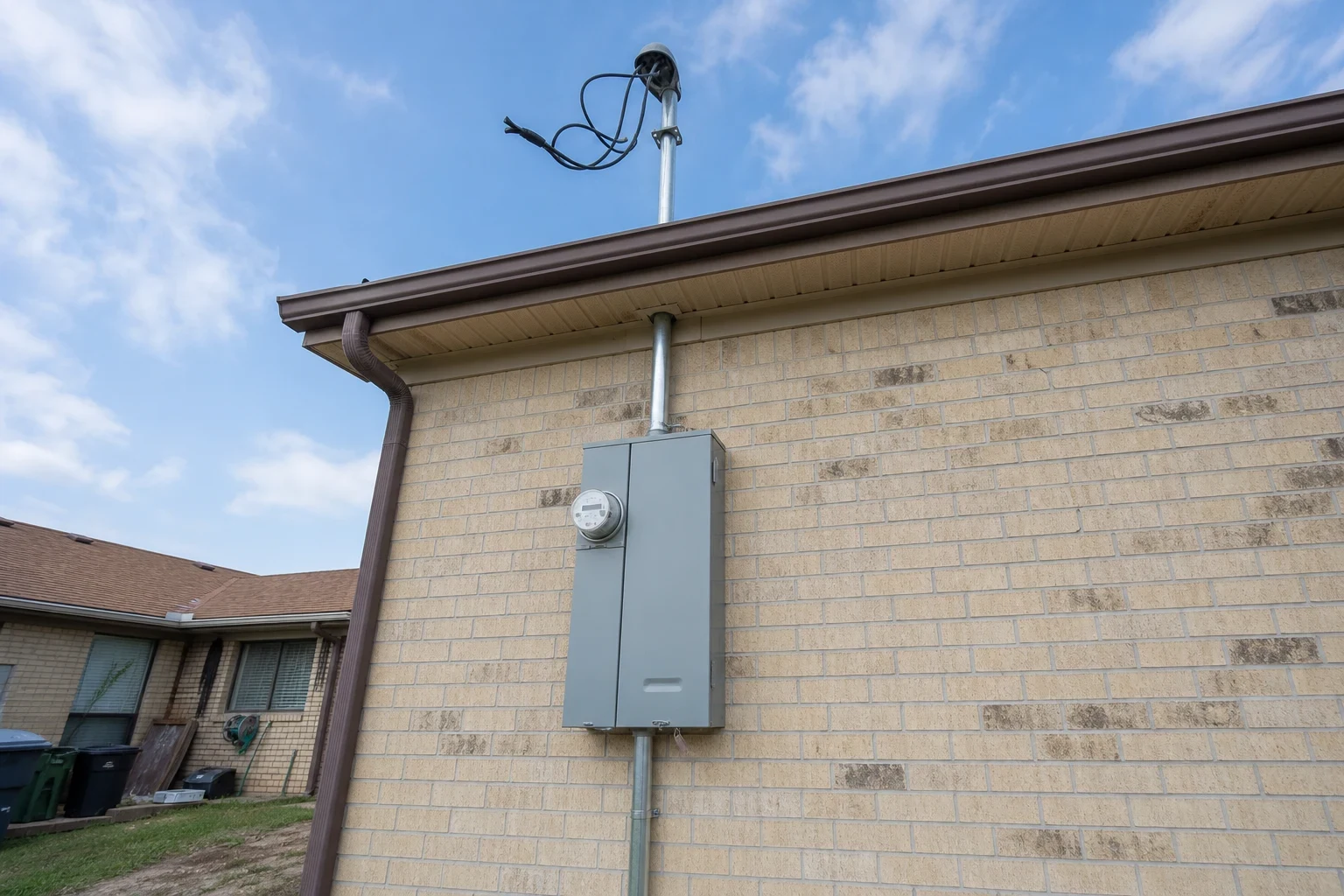
Plan Your Backup Before the Next Outage
A short visit tells you what a battery can cover in your home and what the install involves. We will look at your panel, talk through your priorities and give you a clear plan.