ServicesGenerator Service & Repair
Generator Service & Repair in Westworth Village
A standby generator that sits quiet for months can fail the one time you need it. We maintain, test and repair home generators and their transfer switches, with the unit shut down and locked out before we open anything, so your backup power comes on cleanly and safely.
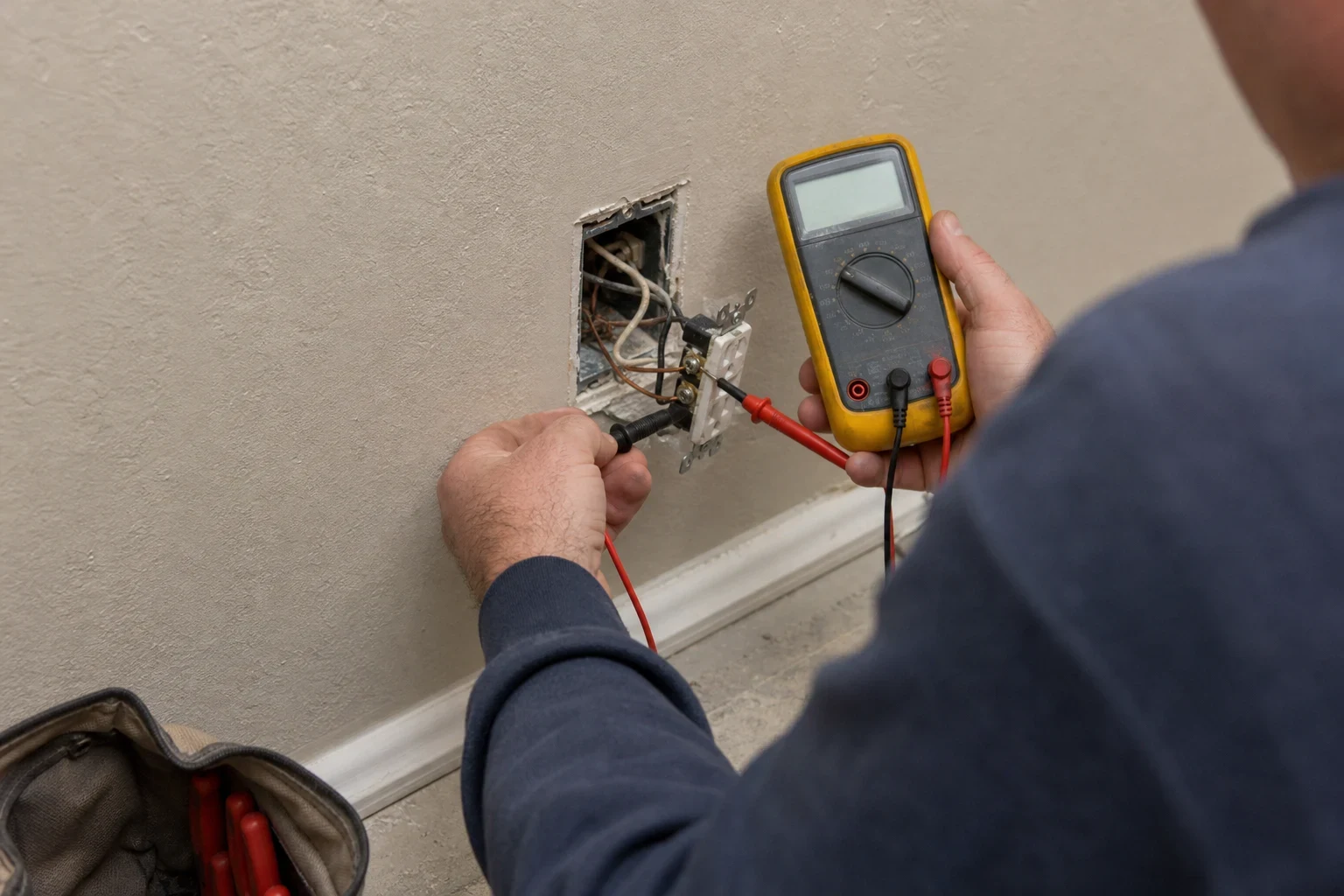
Backup power you can count on, checked the careful way
A home generator is two systems working together. The engine has to start and hold a steady speed, and the electrical side has to sense an outage, transfer your home's load and hand it back to the utility without ever feeding power out onto the street lines. Most failures we see come from small things left alone: a tired starting battery, a corroded terminal, old oil, or a transfer switch that has not been exercised in a long time.
Our approach starts with safety. We disable automatic starting, isolate the unit from your panel and confirm it is dead with a meter before any hands go inside the enclosure. Then we work through the engine, the controller and the transfer switch in order, and we tell you plainly what we found and what we would do about it.
We service generators we installed and ones another company put in. If the honest answer is that a unit has reached the end of its useful life, we will say so and talk you through generator installation or a home battery backup system instead.
What a service visit covers
- Starting battery test
- We load test the battery rather than just reading its voltage, clean the terminals and check the charger. A weak battery is the most common reason a generator will not crank after an outage begins.
- Engine maintenance
- Oil and filter, air filter and spark plugs are checked and replaced as the manufacturer's schedule calls for. We also look for oil seepage, cracked hoses and anything nesting in the enclosure.
- Transfer switch inspection
- We open the transfer switch, look for heat discoloration and pitted contacts, and torque the lug connections to spec. Then we run a full transfer so you can see the house move to generator power and back.
- Load test under real demand
- An idle exercise run does not prove much. We put the generator under load and watch voltage and frequency stay steady, which tells us it can actually carry your air conditioning, refrigerator and well-used circuits.
- Controller and fault history
- We read the stored fault codes, confirm the exercise schedule is set and check that the controller is sensing utility power correctly. You get a short written summary of every reading.
Signs your generator needs attention
It skipped its weekly exercise
Most standby units run a short self-test on a set day. If you no longer hear it, something in the controller, battery or engine has stopped it.
The controller is showing an alert
When the status panel lights up with an alarm, the unit is warning you it may not start by itself during an outage. Resetting the alert without tracing what triggered it tends to push the failure to a worse moment.
Lights flicker or dim on generator power
Unsteady output can strain motors and electronics in your home. It often points to a governor issue, a fuel supply problem or a loose connection.
It started, but the house stayed dark
When the engine runs and nothing transfers, the trouble is usually in the transfer switch or its wiring. That needs a careful look before the next outage.
It has been more than a year
With North Texas summer storms and the occasional hard freeze, a generator that went a full year without service is worth checking before the season it is most likely to be needed.
Burning smell or scorch marks
Shut the unit off and leave the enclosure closed. Heat damage at a connection is a fire risk and should be inspected before it runs again.
What shapes the cost
Routine maintenance on a healthy standby unit is predictable work. Repairs vary with what failed and how hard it is to reach, so we price them after we have found the cause, and you approve the work before we start.
Generator size and type
Larger air-cooled and liquid-cooled units take more oil, more filters and more time. Some brands use parts that are harder to source.
Condition at arrival
A unit that has been serviced regularly needs a standard visit. One that has sat for years may need a new battery, cleaning and several parts at once.
Transfer switch repairs
Replacing contacts, a relay or damaged wiring inside the switch adds parts and labor. A full switch replacement is a larger job.
Parts availability
Common filters and plugs are usually on hand. Controller boards and brand-specific components may need to be ordered, which can mean a second visit.
How the visit runs
- 1
A conversation first
When you phone, we ask about the make, its age and what you have noticed. That lets us bring the right filters, plugs and test equipment.
- 2
Lock out and verify
On site we turn off automatic start, open the generator breaker and confirm zero voltage with a meter. Your home stays on utility power the whole time.
- 3
Service and test
We complete the maintenance, inspect the transfer switch and run the unit under load. Worn parts are photographed so you can see what we saw.
- 4
Findings and options
Before any repair beyond routine maintenance, we explain the problem and give you the cost so you can decide. We return the unit to automatic mode, wipe down the enclosure and take used oil and filters with us.
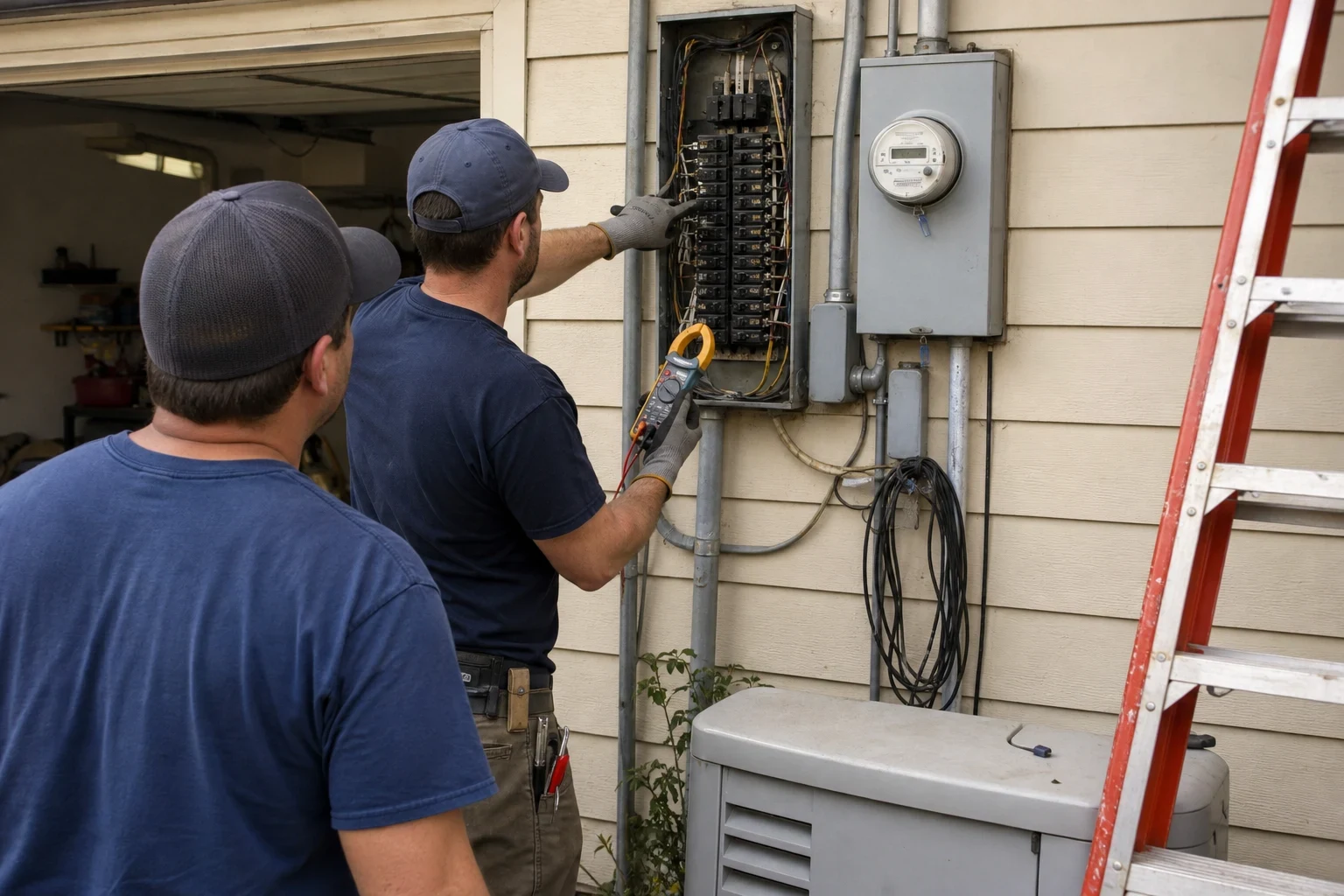
What homeowners ask us about generator upkeep
How often does my standby generator need maintenance?
Manufacturers generally ask for a maintenance visit at least yearly, and sooner if the unit carried your home through long outages. Booking it ahead of the hot months suits most homes well. The exact intervals for your model are listed in the owner's manual.
Can you work on a generator another company installed?
Yes. We service most residential standby generators regardless of who put them in. If we find installation problems, such as an undersized wire or a missing disconnect, we point them out and explain what correcting them would involve.
Is it safe to plug a portable generator into a dryer outlet?
No. Backfeeding through an outlet can energize the utility lines and seriously injure a line worker, and it can damage your home's wiring. The safe route is a properly installed inlet with an interlock or a transfer switch, which we can wire for you.
What if the problem is in the gas supply?
We check that the unit is receiving fuel and look at the regulator and connections at the generator. If the fault traces back into the gas piping itself, we tell you plainly, and that part of the job belongs with a gas plumber.
Should I repair my generator or replace it?
It depends on the age of the unit, the cost of the repair and how easily parts can be found. We give you the numbers for both and our honest opinion. Some homeowners in that position also ask us about a home battery backup system, and we are glad to compare the two.
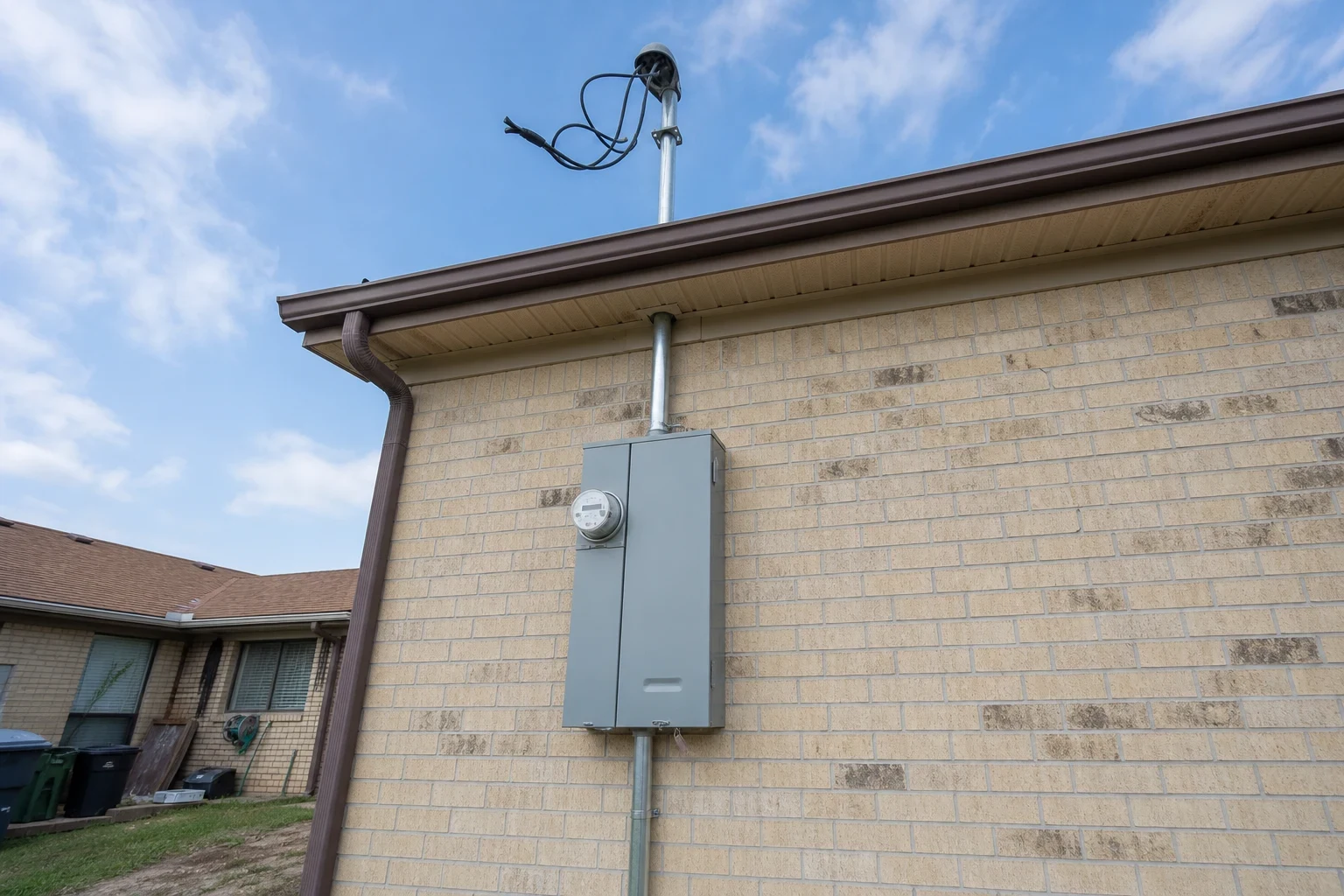
Have your generator checked before the next outage
We will test it under load, look inside the transfer switch and show you what we find. Pair the visit with surge protection or a torque and clean on your panel if you like.